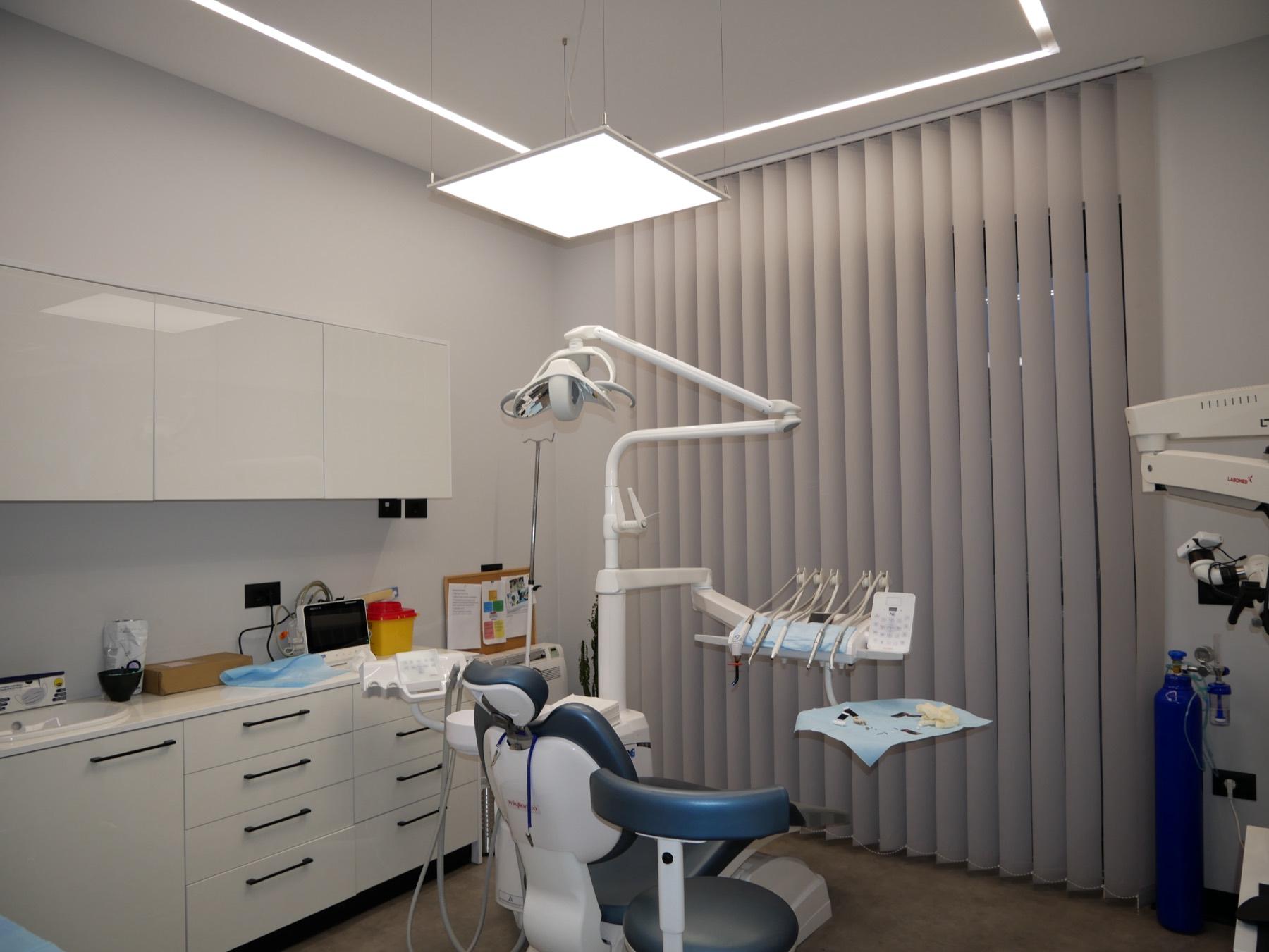
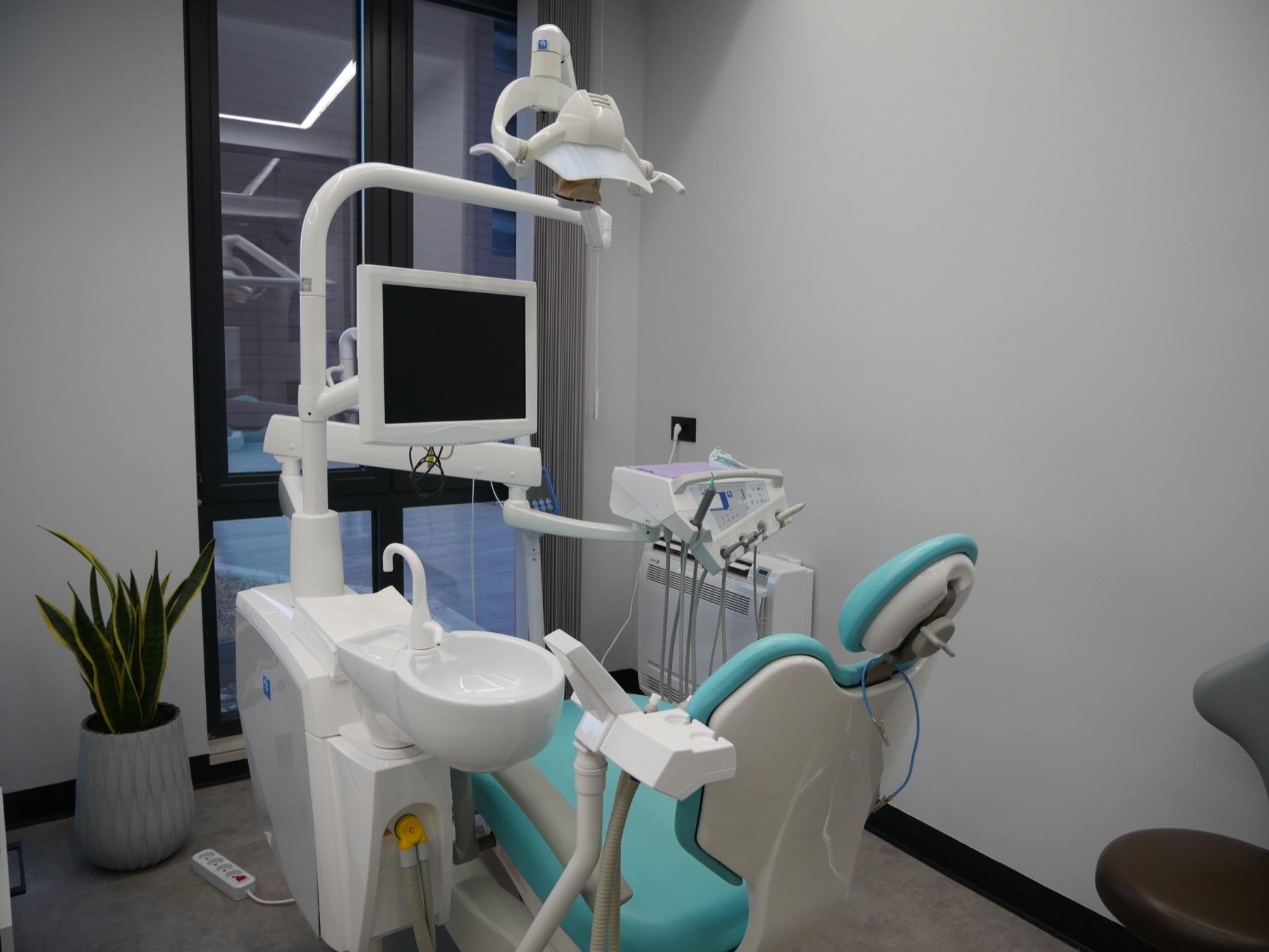
The honest answer is that it depends entirely on the clinic — not the country. Here are the specific things to verify before you send anyone a deposit.
The question behind the question
When people ask "is dental treatment in Albania safe?", they are usually asking something more specific: am I about to be ripped off, or hurt, by someone I cannot hold accountable from another country?
That is a completely reasonable thing to worry about, and it deserves a straight answer rather than reassurance.
The honest answer: safety varies by clinic, not by country. There are excellent clinics in Tirana and poor ones, exactly as there are in Birmingham or Milan. The country name on the sign tells you very little. What follows is how to tell the difference — including the questions we would want a family member to ask before booking anywhere.
Verify the dentist, not just the clinic
Clinic websites show buildings and equipment. What matters more is who is holding the drill.
Ask for the name and qualifications of the specific dentist who will treat you, not the practice in general. Dentists in Albania are registered with the national dental association (Urdhri i Stomatologëve të Shqipërisë), and registration is verifiable. Many also hold qualifications or training from Italy, Turkey or Germany.
A clinic that is happy to name your treating dentist and their credentials is behaving normally. One that keeps it vague is telling you something.
Ask about sterilisation specifically
This is the question most people are too polite to ask, and it is the one that matters most for infection risk.
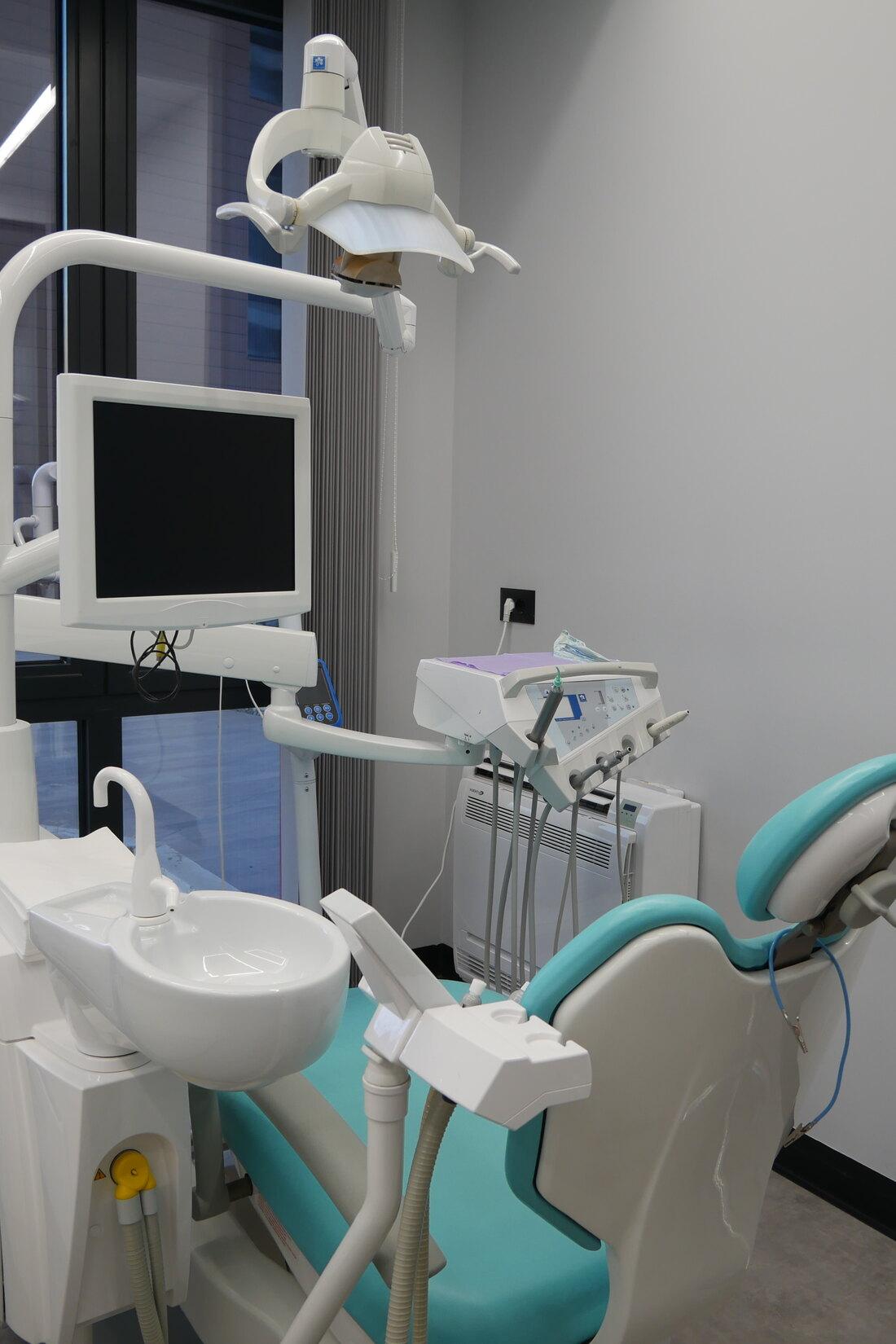
You want to hear about an autoclave — a pressurised steam steriliser — and ideally that they run regular spore tests to confirm it is actually working. Single-use disposables for anything that cannot be autoclaved. If you are visiting, you can simply ask to see the sterilisation area. Any good clinic will show you; it is a point of pride, not a state secret.
Materials: get the brand in writing
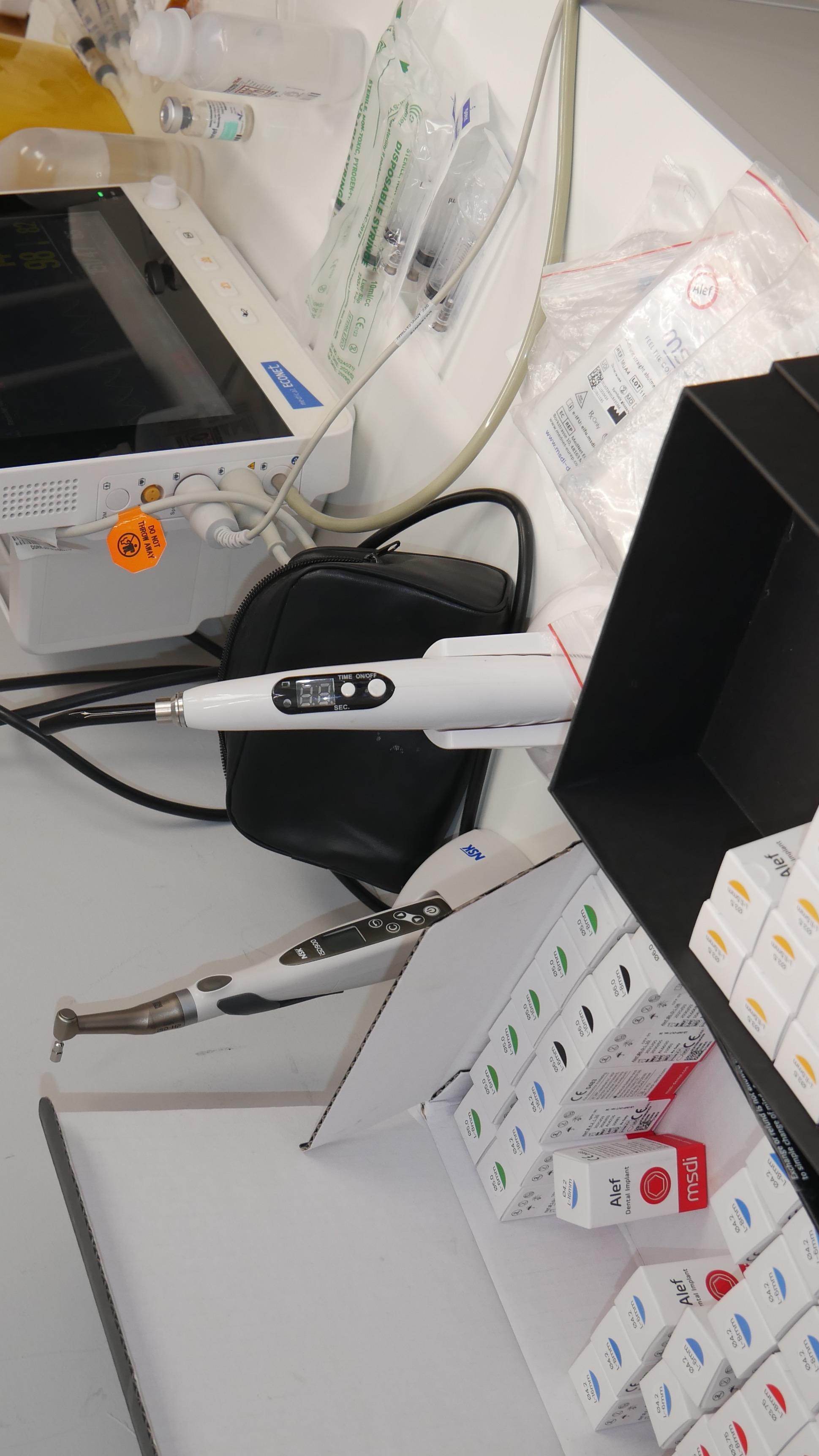
"Premium implants" means nothing. Osstem, Straumann, Nobel Biocare, Madigma — these mean something, because they are internationally sold systems with published clinical data and available replacement parts.
That last point matters more than people realise. If you ever need a component replaced years later, a dentist anywhere in the world can order parts for a recognised system. For an unbranded implant, they may not be able to, and you could be facing removal of a perfectly healthy fixture.
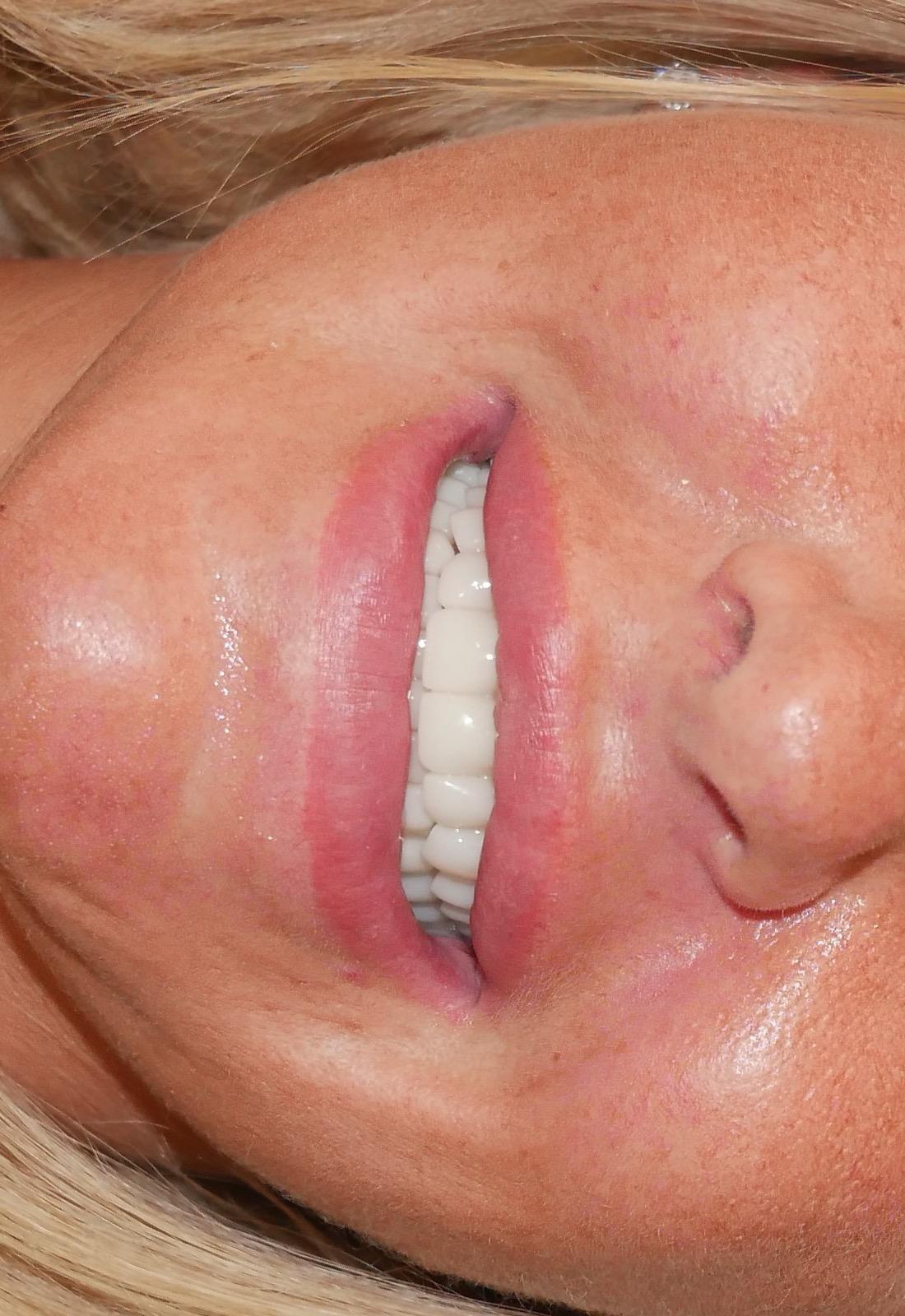
Get the brand and model in writing before treatment. The same applies to crown and veneer materials — zirconia and E-MAX are specific, verifiable things.
Understand the guarantee before you need it
Ask three separate questions, because they have three different answers:
- What is guaranteed, and for how long?
- What voids it? (Usually: not attending check-ups, smoking, untreated gum disease.)
- Who pays the flights if remedial work is needed?
That third one is where guarantees quietly fall apart. A guarantee covering the dental work but not the travel to receive it is worth less than it sounds. Get the answer in writing, in advance, while you still have the leverage of an unpaid deposit.
Continuity of care after you fly home
This is the genuine structural weakness of treating abroad, and any clinic that pretends otherwise is not being straight with you.
If something feels wrong three weeks after you land, your treating dentist is a two-hour flight away. Before you book, establish:
- Who you contact, and how quickly they respond
- Whether they will speak directly to a local dentist if you need to be seen urgently
- Whether you will be given your full clinical records, X-rays and implant documentation to take home
That last point is not optional. Insist on leaving with your records. Any UK or Italian dentist treating you afterwards will need them, and a clinic that hesitates to hand them over is one to avoid.
It is also worth having a local dentist lined up for routine check-ups before you travel, rather than after something worries you.
Language, and why it is a clinical issue
Consent is not a formality. You need to genuinely understand what is being proposed, what the alternatives are, and what the risks are — and you need to be able to say "stop" and be understood.
Confirm that consultations happen in a language you are fluent in, and that this holds for the treating dentist, not just the coordinator who answers the emails. Our consultations run in English, Italian and Albanian.
Warning signs
Be cautious of any clinic that:
- Pressures you to pay a deposit immediately, or runs a "this week only" discount
- Will not name the treating dentist or the implant brand
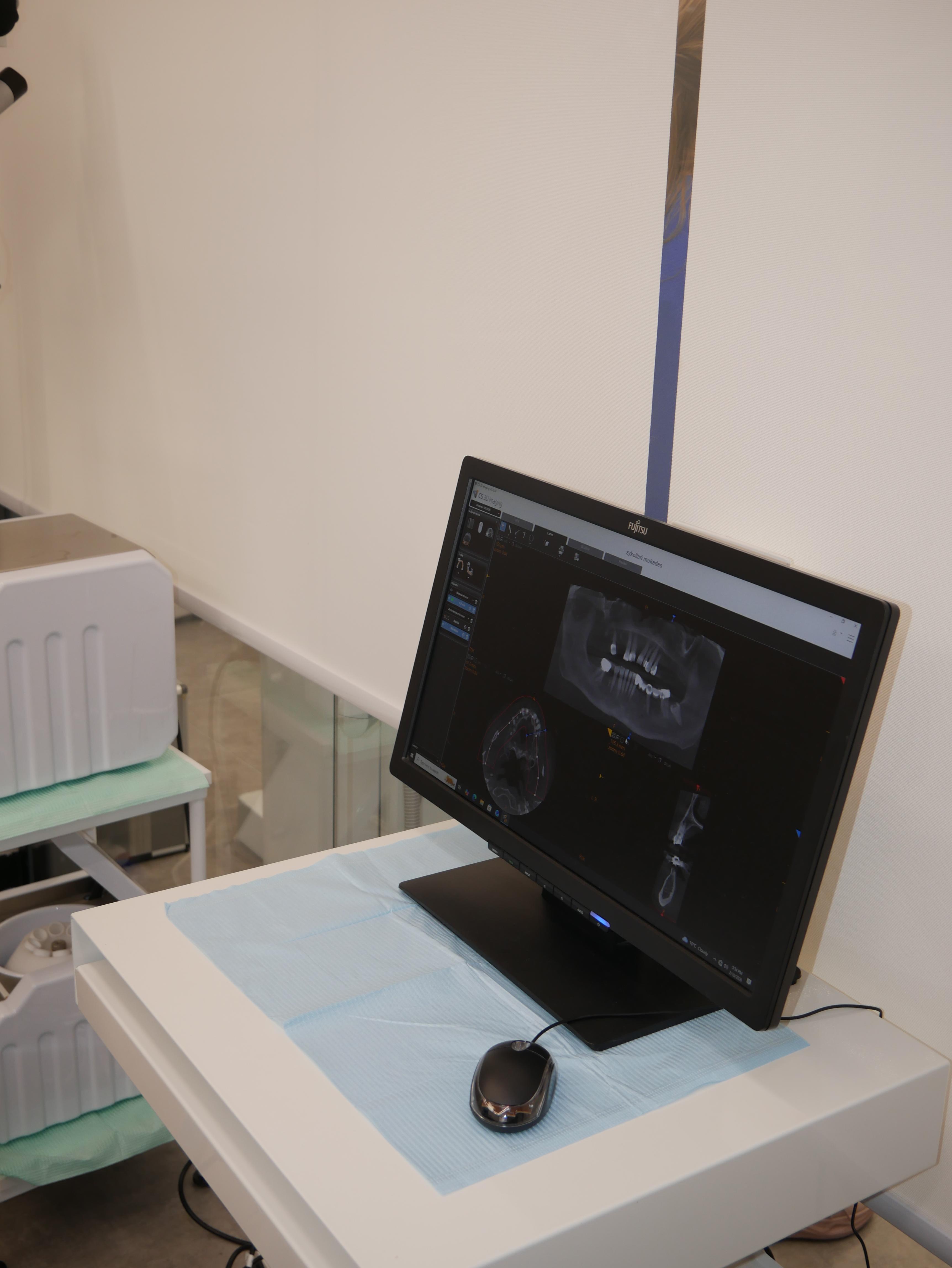
- Quotes a fixed price without seeing X-rays or photographs
- Promises full-mouth implants in an implausibly short stay
- Has reviews that are all five stars, all recent, and all vague
- Diagnoses a dramatically larger treatment plan than your dentist at home did
That last one deserves emphasis. If you were told you needed two crowns at home and a clinic abroad tells you that you need sixteen veneers, get a third opinion before proceeding.
What we would say to a friend
Travelling for dental work is a reasonable, well-established thing to do — hundreds of thousands of Europeans do it every year, and for planned treatment like implants or veneers it works well.
But do it with your eyes open. Verify the dentist, verify the materials, get the guarantee in writing, take your records home, and be suspicious of anyone who makes it sound effortless.
If you would like to ask us any of the questions in this article, get in touch — including the awkward ones. We would rather answer them now than have you wondering on the plane.