Veneers cover the front of a tooth; crowns cover all of it. The right choice is decided by how much healthy tooth you have left — not by which sounds better.
The difference in one sentence
A veneer is a thin shell bonded to the front surface of a tooth. A crown covers the entire tooth, all the way round.
Everything else follows from that.
What decides it
People often arrive having already decided they want veneers, because veneers are what they have seen online. But the choice is usually made for you by clinical circumstances rather than preference.
The deciding question is: how much sound, healthy tooth structure is left?
- Plenty of healthy tooth, and the problem is mainly appearance → veneer
- Significantly damaged, heavily filled, cracked or root-treated → crown
A veneer relies on the tooth underneath being strong enough to support it. If the tooth is already weak, bonding a shell to the front does not fix that — and it can lead to the tooth fracturing later. A crown wraps the tooth and holds it together, which is why it is the right answer for structurally compromised teeth.
When a veneer is right
Veneers work well for:
- Discolouration that whitening cannot shift, including tetracycline staining
- Chips and minor wear on front teeth
- Small gaps between teeth
- Slightly irregular shape or size
- Mildly crooked teeth where the bite itself is fine
They are conservative: preparation removes only a small amount of enamel from the front surface, sometimes almost none. Because they are limited to the front, they are used on teeth that show — typically the upper front eight or ten.
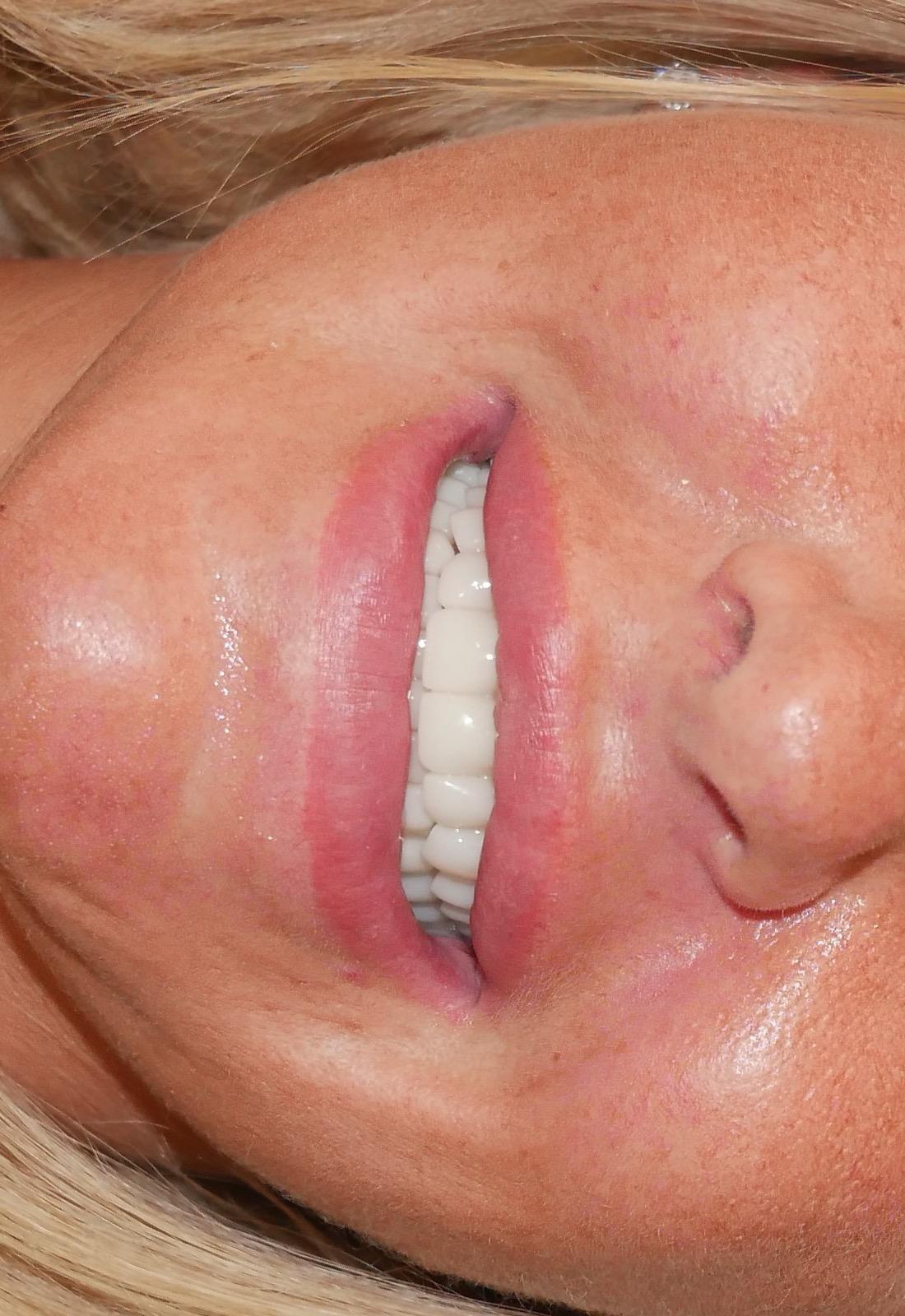
We use porcelain and E-MAX veneers. E-MAX is a lithium disilicate ceramic, valued for its strength combined with a translucency that behaves like natural enamel — the reason it looks convincing rather than flat.
When a crown is right
Crowns are the answer when the tooth needs protecting, not just improving:
- After root canal treatment, which leaves teeth brittle
- Large existing fillings with little sound tooth remaining
- Cracked or fractured teeth
- Severe wear from grinding
- On top of a dental implant
- As the anchor teeth for a bridge
Crowns also do the cosmetic job perfectly well. A modern zirconia or E-MAX crown on a front tooth is indistinguishable from a veneer to anyone looking at it. The difference is underneath.
The honest trade-off
Crowns require removing more tooth structure — the tooth is reduced on all surfaces to make room. That is irreversible, and it is the reason no reasonable dentist crowns a healthy tooth purely for appearance.
Veneers preserve more of the tooth, but only work when there is a sound tooth to preserve.
This is why "which is better?" has no answer. They solve different problems. A dentist proposing crowns on perfectly healthy teeth for cosmetic reasons is over-treating; one proposing veneers on badly broken-down teeth is under-treating.
What about a mix?
Very common, and often the correct plan. A smile makeover frequently uses veneers on the sound front teeth and crowns on the two that have been heavily filled for twenty years. Shade and shape are matched across both so the result reads as one even smile.
If a clinic tells you every tooth needs the same treatment, ask why.
Things worth knowing before you commit
Shade is permanent. Ceramic does not respond to whitening. If you want to whiten your natural teeth, do it before the shade is chosen, so everything matches afterwards.
Go a shade less white than you think. The most common regret is a result that looks obviously artificial. A shade that harmonises with your face reads as a great smile; brilliant white reads as work.
If you grind your teeth, say so. Bruxism is hard on ceramics. It does not rule out treatment, but it changes material choice and usually means a night guard.
Gums have to be healthy first. Untreated gum disease undermines even excellent restorations. Any responsible plan deals with that first.
They are not forever. Well-made veneers and crowns typically last 10–15 years or more, then need replacing. Anyone promising a lifetime is overselling.
Which do you need?
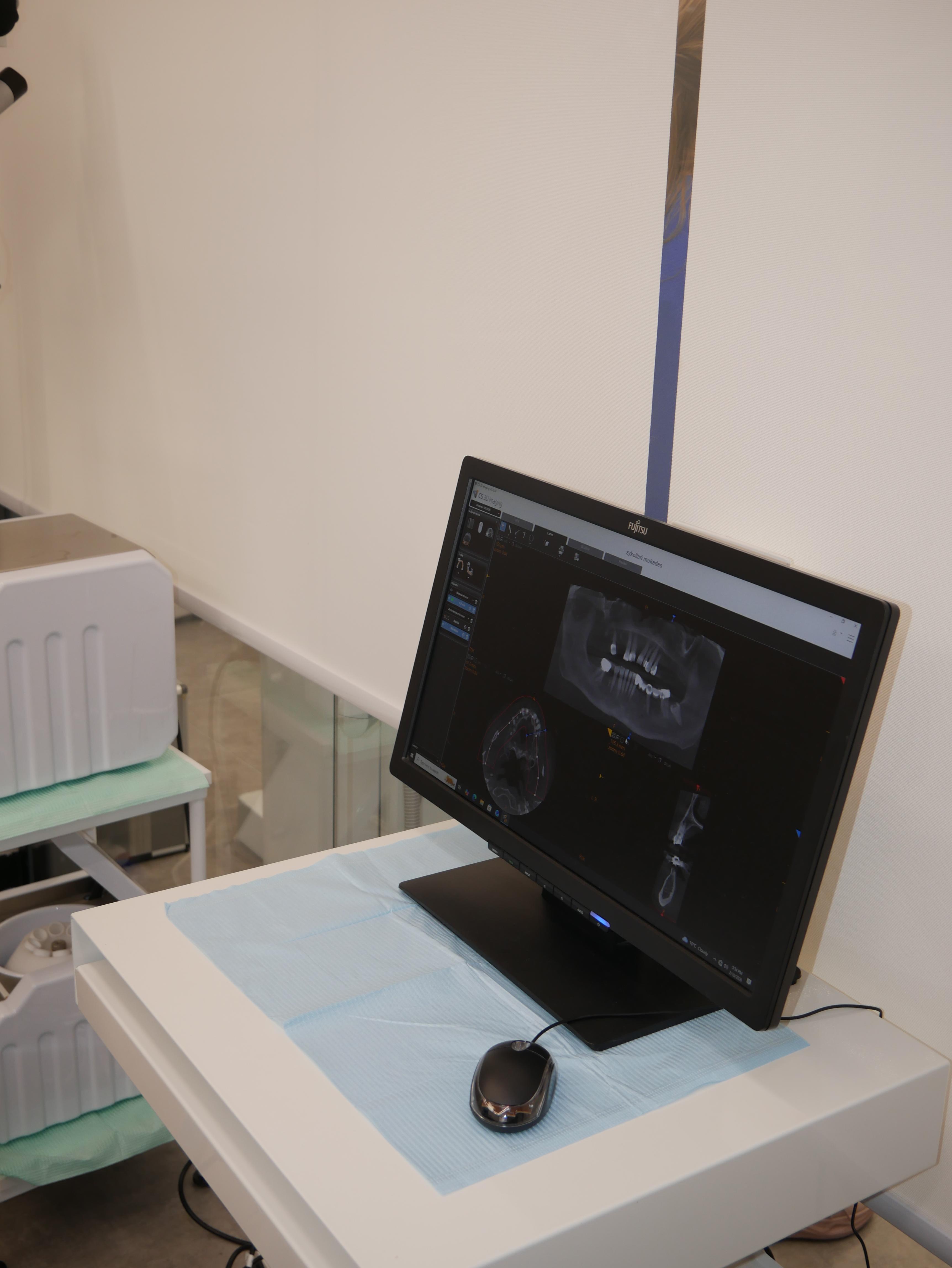
Realistically, this is answered by an examination and X-rays — nobody can tell from a description, including us.
What we can do is look at photos and any recent X-rays and tell you what is likely, with a written quote covering the options. If we think you need fewer units than you were expecting, we will say so.
Send us your photos for a free assessment, or read more about our veneers and crowns.